
March in Colombia: Is it Worth it?

Editor
Updated on
March in Colombia marks the end of the dry season, an ideal time to enjoy still favorable weather before the rainy season arrives. It’s also the month when the tourist crowds begin to decrease and prices become more affordable again.
With this guide, you’ll discover the destinations to prioritize in March and those where conditions are still optimal.
You’ll also know where to experience the rhythm of the cultural and musical festivals that enliven the country this month.
We are on a quest across Colombia to discover the top local agencies to establish a trustworthy network of experts and gather unique, valuable insights for each destination. Our aim? To make you fall in love with Colombia effortlessly.

- In Colombia since 2015
- + 975 verified experiences
- + de 125 experts met
- + 285 optimized itineraries




MARCH IN COLOMBIA
How to enjoy Colombia in March
WEATHER IN MARCH
A climate in transition with variations depending on the regions.
In March, the climate starts to change in the Andes. In Medellín and Pereira, temperatures remain pleasant between 16°C and 25°C, but rain becomes more frequent. It’s the beginning of the wet season with regular showers that can last several hours.
In Bogotá, rainfall increases significantly with temperatures ranging from 8°C to 20°C. Mornings and evenings remain cool, but the humidity starts to be felt.
In the Cali region, which is warmer, temperatures fluctuate between 19°C and 25°C. March clearly marks the beginning of the rainy season with increasingly significant showers.
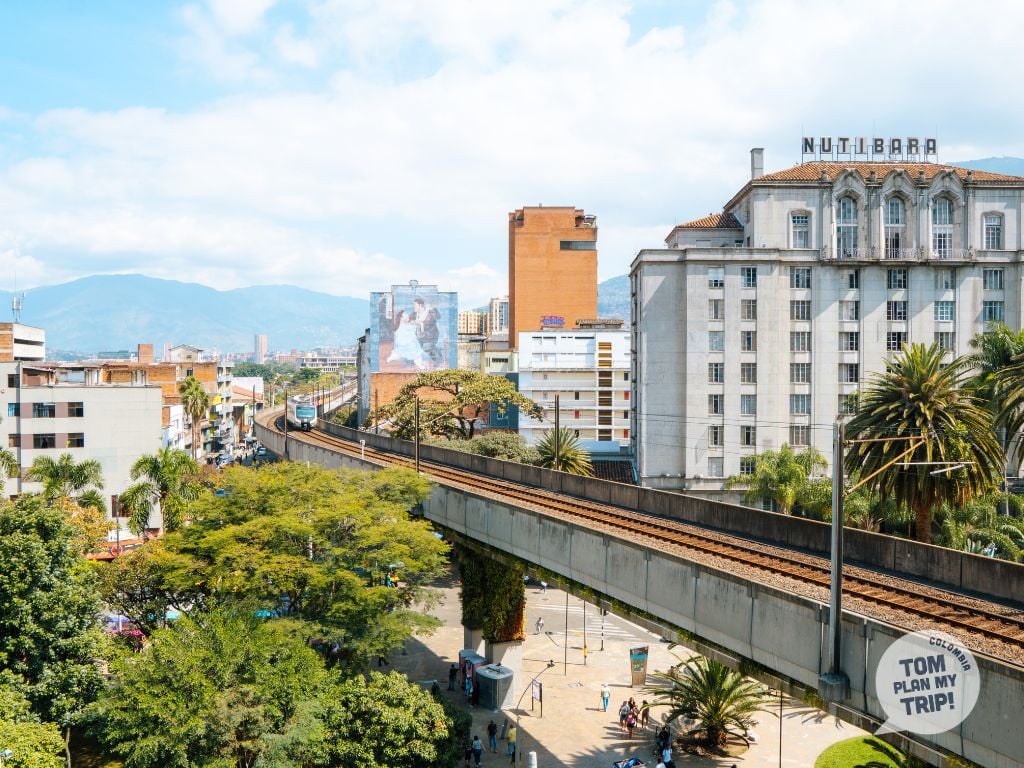
The Caribbean coast is still fully enjoying the dry season. Temperatures range from 24°C to 31°C with an average temperature of 29°C. The humidity level is high, creating a feeling of intense heat, especially in the middle of the day.
It rains very little and the sun is generous. The wind can blow, which softens the feeling of heat but makes sea travel a bit more choppy. It’s one of the best months to enjoy the Caribbean beaches.
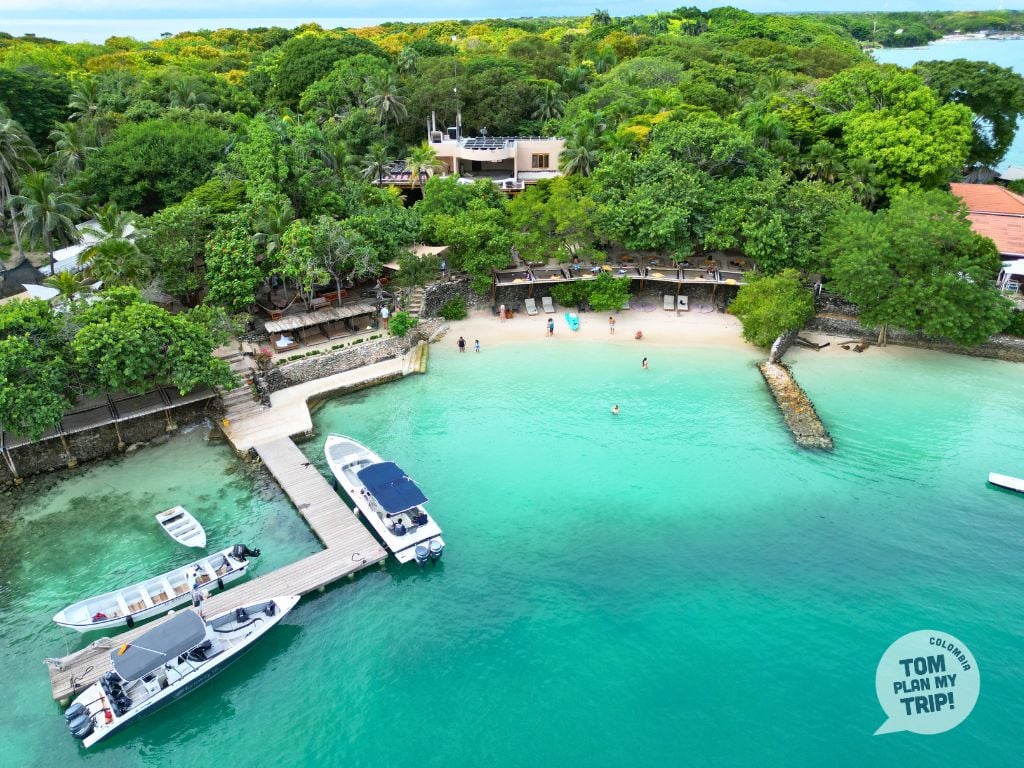
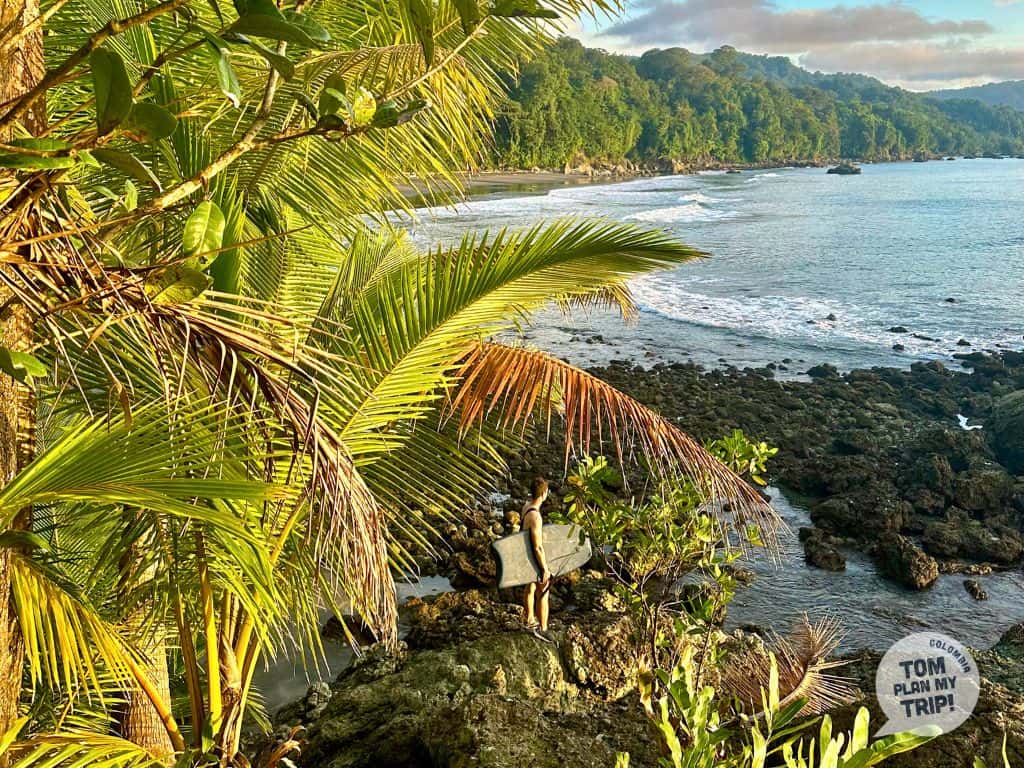
March is the last month of the “dry” season on the Pacific coast. Temperatures range between 24°C and 27°C, with an average of 25.5°C.
Precipitation remains present but less intense than from April onwards. The humidity level remains very high, creating an atmosphere that can sometimes be oppressive. It’s your last chance to enjoy this region before the heavy rains.
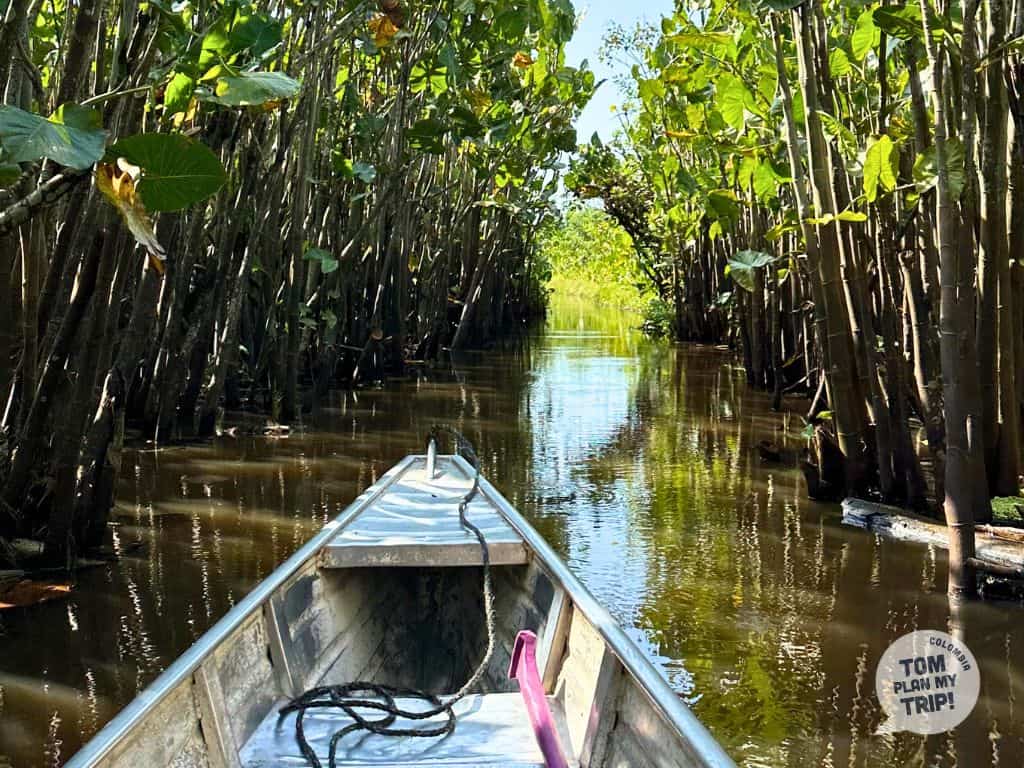
The Amazon has temperatures ranging between 23°C and 30°C with an average of 26°C. March is in the peak rainy season.
Rainfall is abundant and the humidity level is very high. The sky often remains overcast. This is not the most favorable time to explore this region.
With temperatures ranging between 20°C and 32°C and an average of 26°C, it is very hot in Los Llanos, especially in the middle of the day.
It is still the dry season, but it is coming to an end. Rain remains rare and the humidity level is low, which provides pleasant conditions for observing the wildlife.

© Tomplanmytrip
Our secret to actually enjoying your Colombia vacation
AI and social media have turned travel into a frantic race. Everyone follows the same itineraries, rushes from one tourist spot to another for fear of “missing out,” without ever stopping to truly experience the country.
We refuse that for your Colombia trip. No more superficial, exhausting travel.
In 11 years of passionate exploration, we’ve meticulously handpicked our favorites—places, experiences, hotels—then organized them in a logical and optimized way. The goal? To give you beautiful, authentic experiences, away from the crowds, with minimal time wasted on transfers.
© Tomplanmytrip
What to do in Colombia in MARCH
Discovering a land of cultures and contrasts.
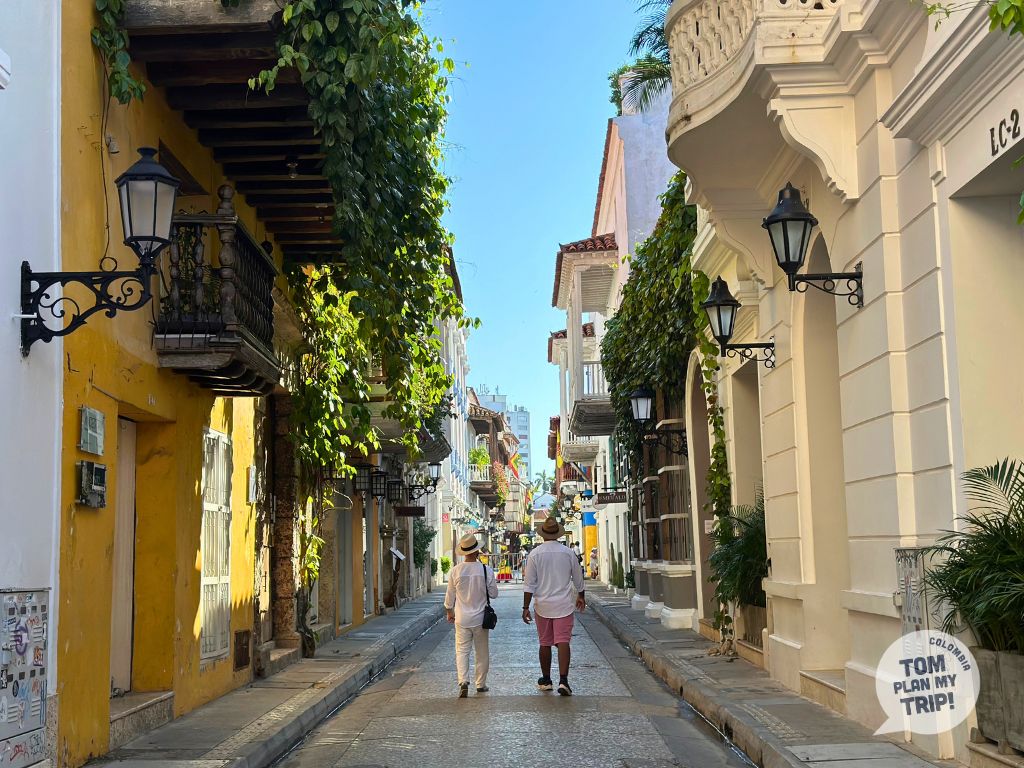
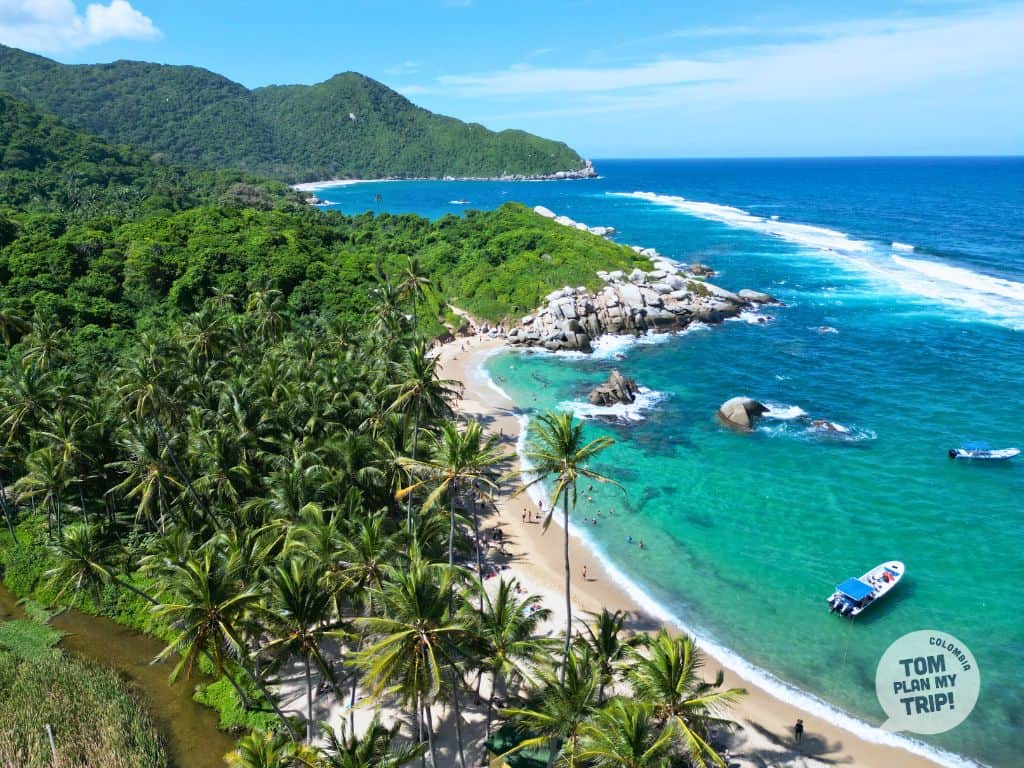
March is an excellent month to discover the Caribbean coast. The climate remains ideal with little rain and lots of sunshine.
It’s the perfect time to explore Cartagena and its colorful historic center, stroll through the lively neighborhood of Getsemaní and enjoy its nightlife. The beaches are still beautiful without being crowded like in January.
You can also venture to the Tayrona Park to hike between jungle and paradisiacal beaches, or go on a trek to the Lost City if you’re adventurous.
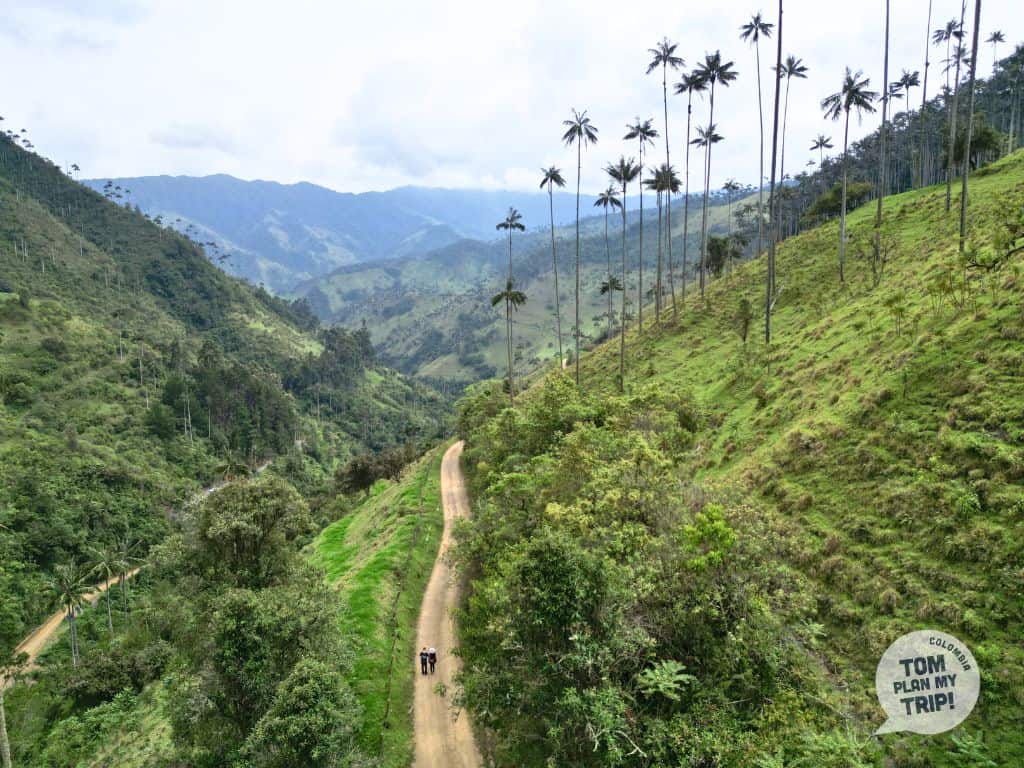
Expect regular but brief showers, especially in the afternoon, but March is still a good month to discover the coffee region. The temperatures are pleasant and the landscapes are lush.
Explore Salento and the mythical Cocora Valley with its majestic wax palms. Visit a coffee farm to learn all about Colombian coffee production.
Colonial villages like Filandia, Pijao, or Salamina offer a peaceful and authentic atmosphere.
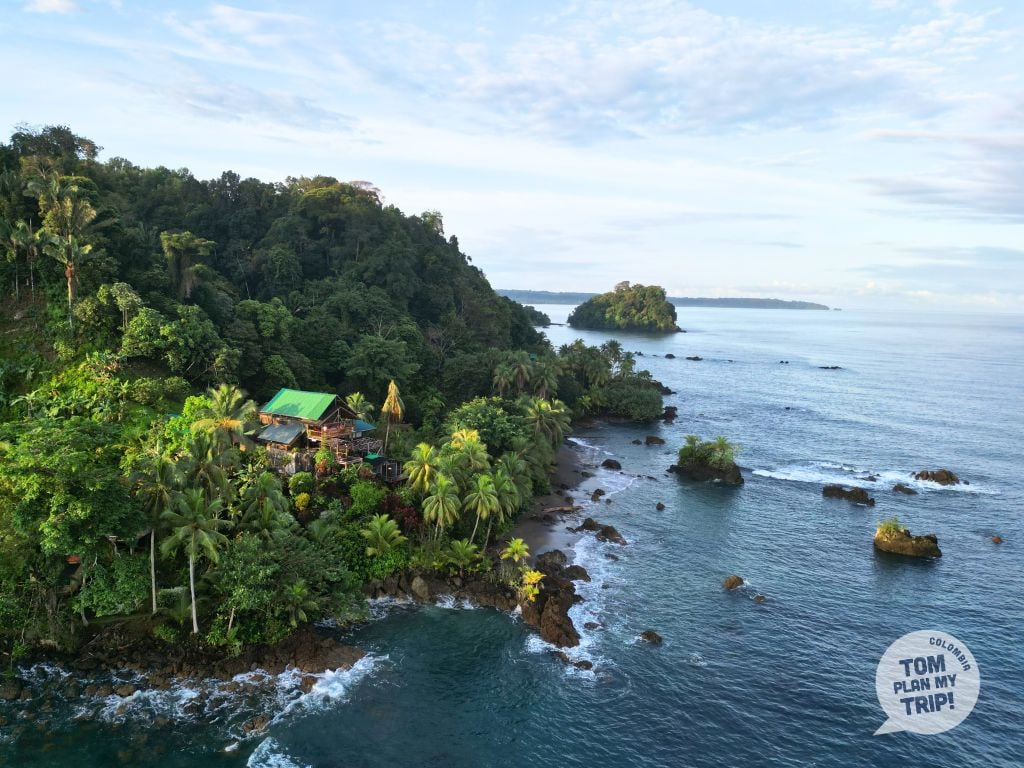
March is your last opportunity to visit the Pacific coast before the rains really intensify starting in April.
Discover Nuquí or Bahía Solano with the vast black sand beaches bordered by lush jungle. Discover hidden waterfalls and observe the region’s exceptional biodiversity.
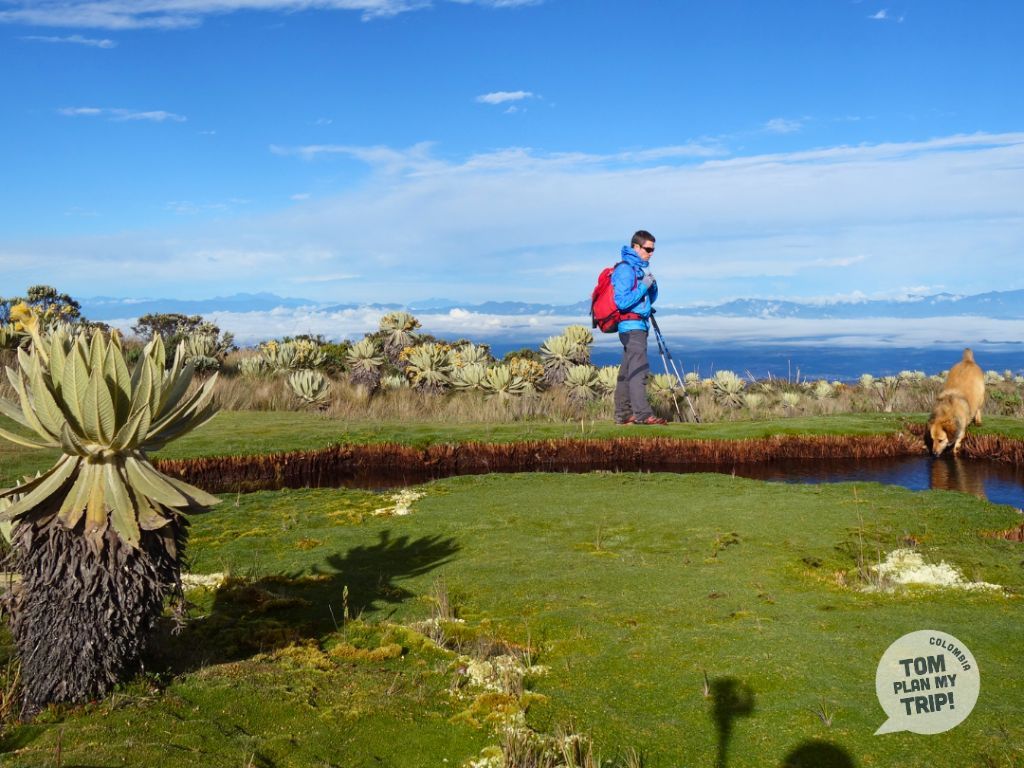
Even though the rains increase, Bogotá still enjoys sunny days in March. Showers often occur at the end of the day, leaving the mornings available for sightseeing.
Explore La Candelaria, the historic district, visit the must-see museums (Museo del Oro, Museo Botero), and go up to Monserrate to admire the view of the city.
The surroundings of Bogotá offer great hiking opportunities in the national parks and páramos, even if you need to plan for equipment in case of rain.
© Tomplanmytrip
What to do in Colombia in MARCH
An adventure in magical landscapes.
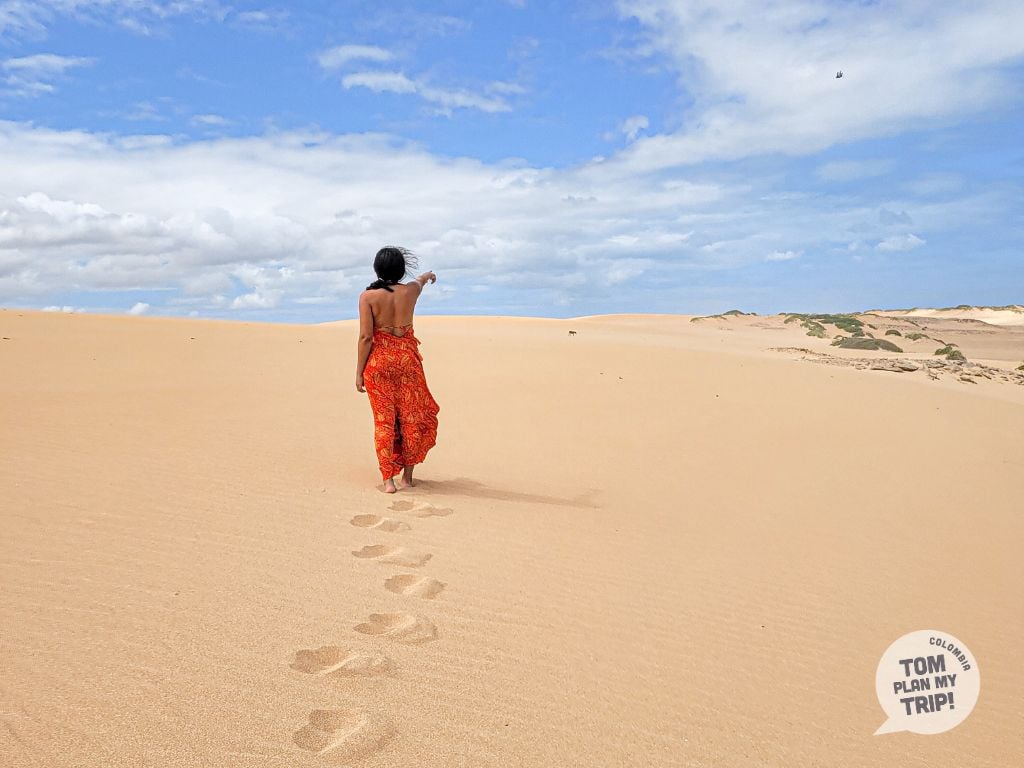
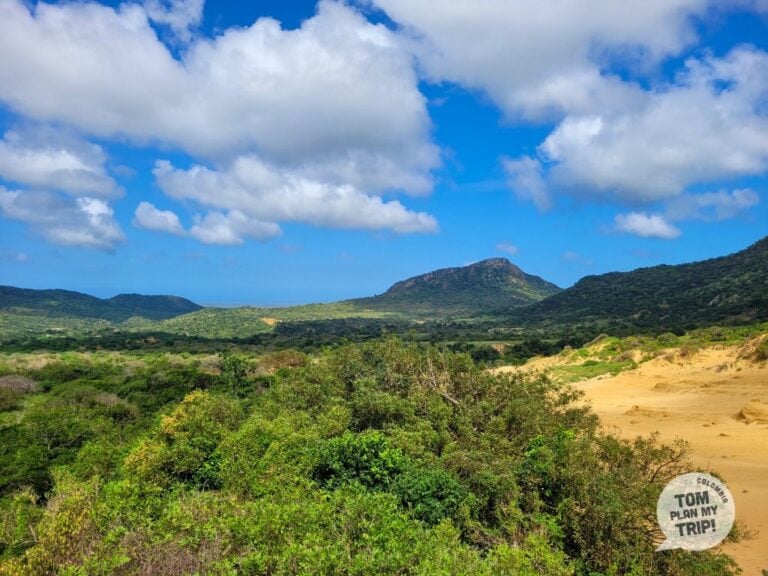
The weather conditions in March remain perfect for exploring the Guajira Desert. No rain, so no risk of impassable paths.
Embark on a multi-day jeep experience through breathtaking landscapes. Don’t miss Punta Gallinas, the northernmost point of South America, and the Macuira Park, this extraordinary oasis in the middle of the desert.
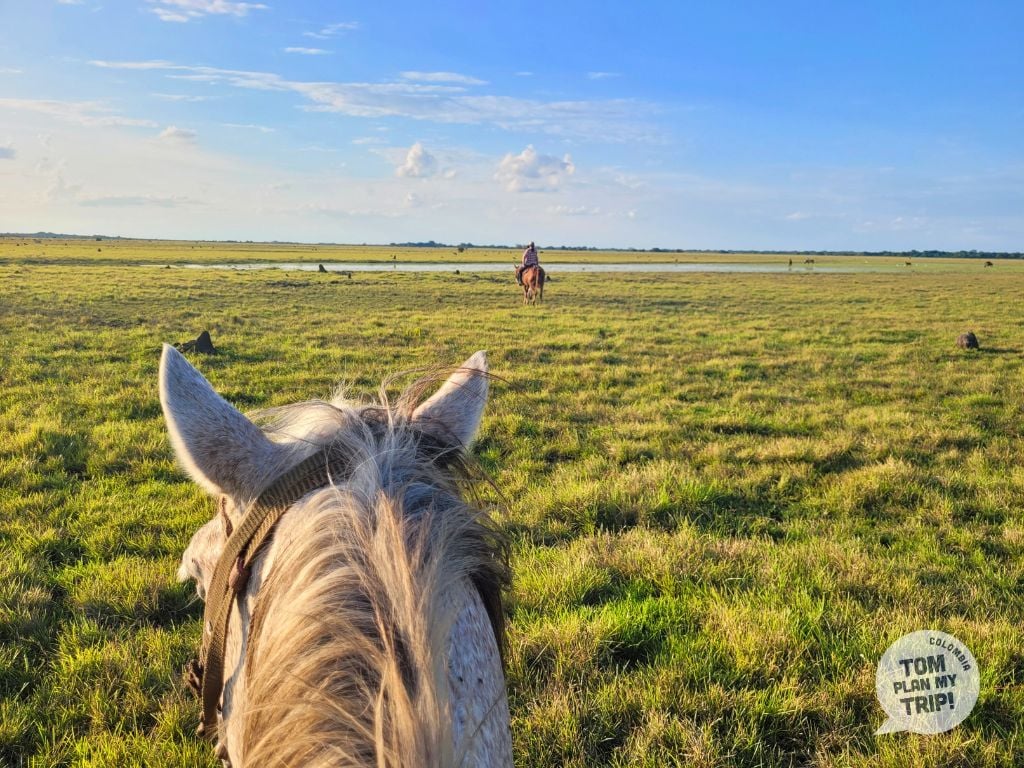
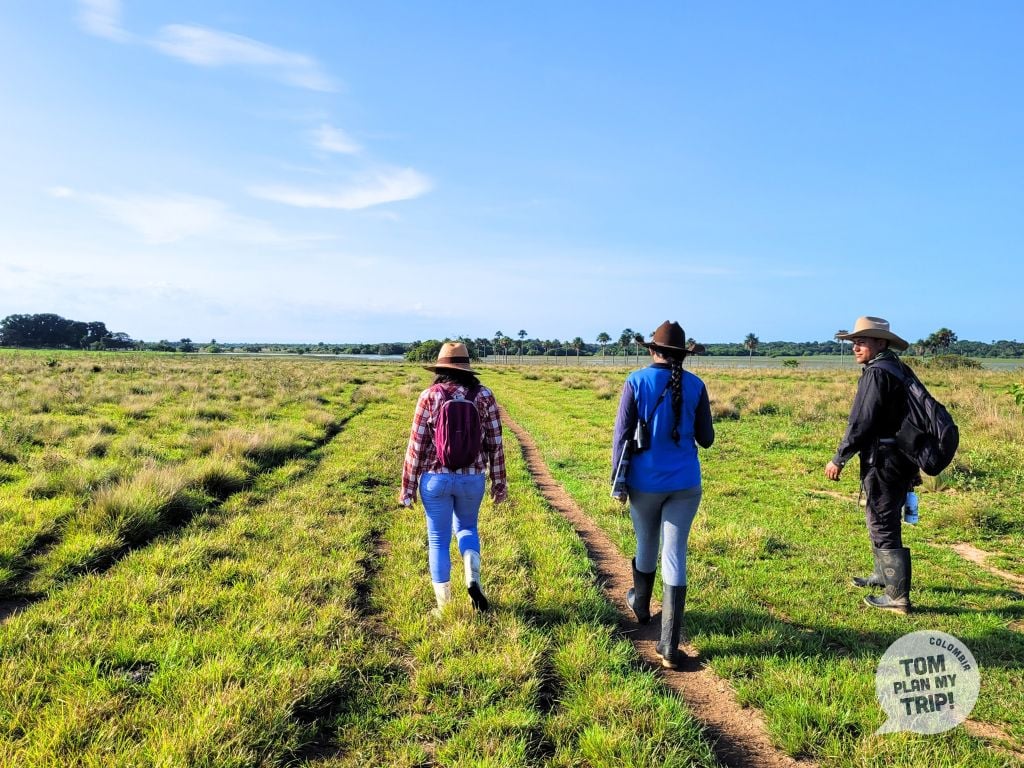
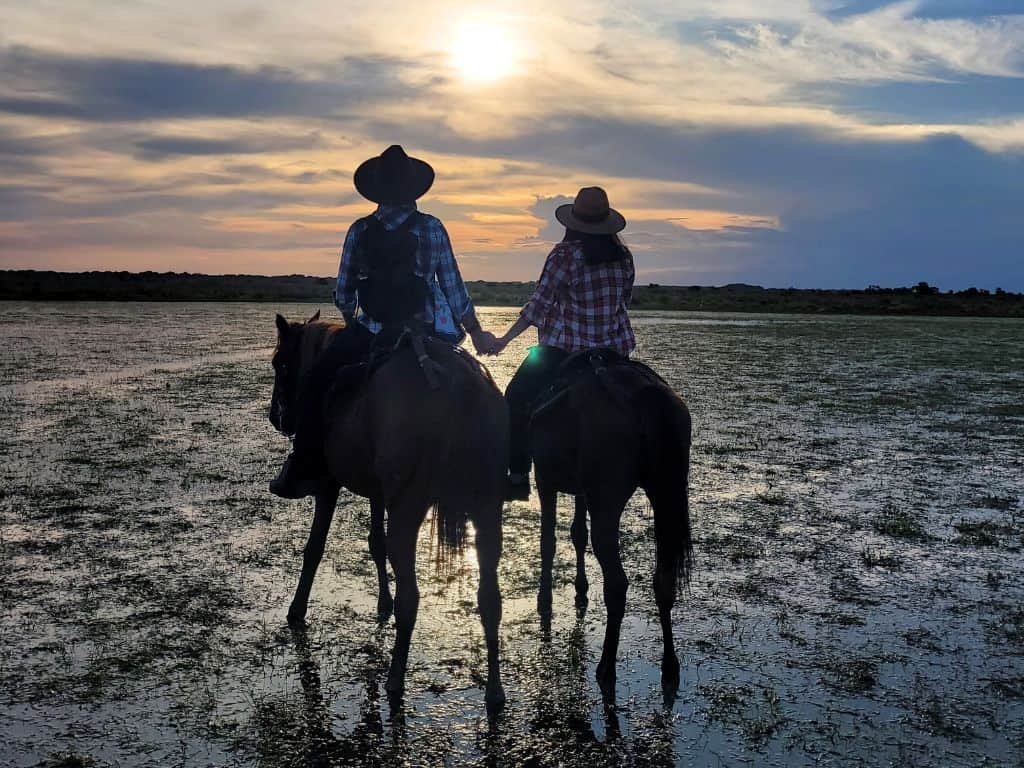
In March, the Casanare region still enjoys good conditions for wildlife observation as animals come to drink around the last water points.
It’s a wonderful opportunity to see animals such as capybaras, caimans, anacondas, and numerous bird species, not to mention, for the luckiest, giant anteaters.
Nature enthusiasts will delight in exploring the vast expanses of Los Llanos, by 4×4 or on horseback, while immersing themselves in the llanero traditions still deeply rooted in the region.
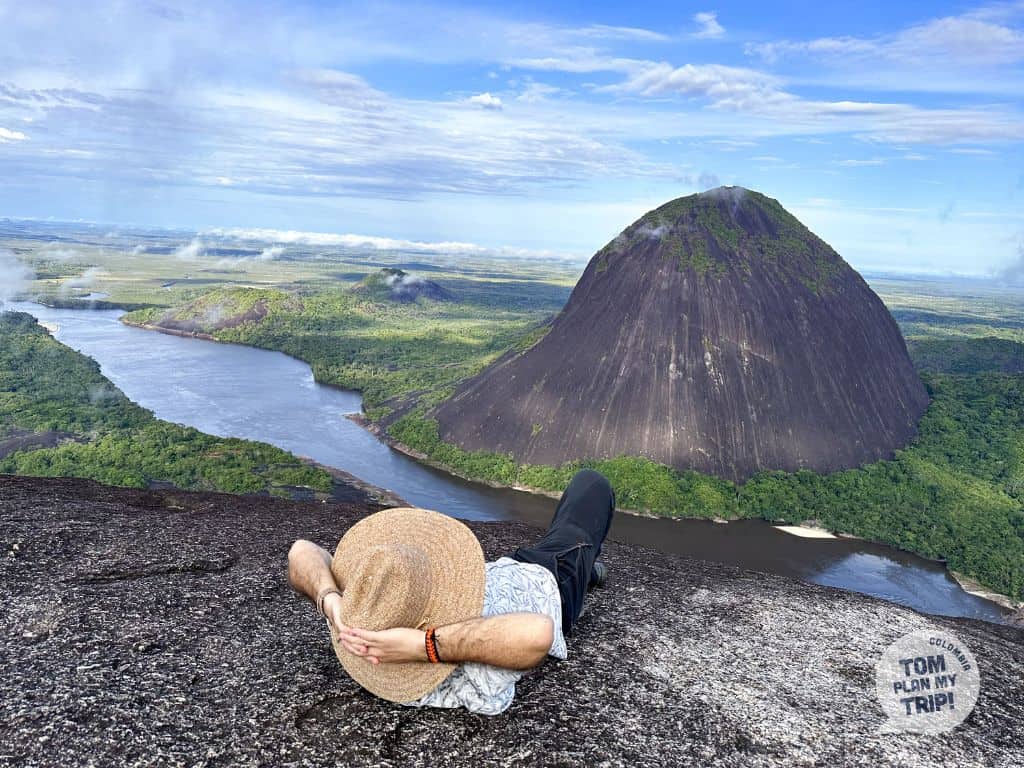
March is a very good month to discover these three imposing monoliths of granite that rise in the middle of the Amazonian jungle, offering a truly unique landscape.
The ascent of the “small” Cerro rewards your efforts with an impressive view over the rainforest among which the meanders of the río Inírida snake through. The contrast between the bare rock and the green ocean of the canopy is striking.
If you are in search of authenticity, it is also a wonderful encounter with the indigenous communities of Guainía, who perpetuate their ancestral traditions in an astonishing and still preserved nature.
© Tomplanmytrip
MARCH EVENTS
March vibrates to the rhythm of Colombian music and culture.
For 8 days in March, Ibagué, the musical capital of Colombia, celebrates traditional Colombian music. More than 700 artists gather for concerts, competitions, and shows.
The entire city vibrates to the sound of guitars, tiples (small 12-string guitars), and Andean percussion. Many events are free and you can enjoy live music on every street corner.

End of March or early April, Bogotá hosts one of the largest alternative music festivals in Latin America. It’s the Colombian version of Lollapalooza.
For several days, national and international bands perform on stage. Tickets are affordable and the atmosphere is festive. A unique experience for music lovers.

Every year, one of the most important film festivals in Latin America takes place in Cartagena. Depending on the programming schedule (to be checked), you might be able to attend if you’re there in March. This festival hosts filmmakers and films from around the world.
You can attend free screenings outdoors, meet artists, and discover the best of Latin American and Caribbean cinema. It’s also a great opportunity to discover regional audiovisual creation.

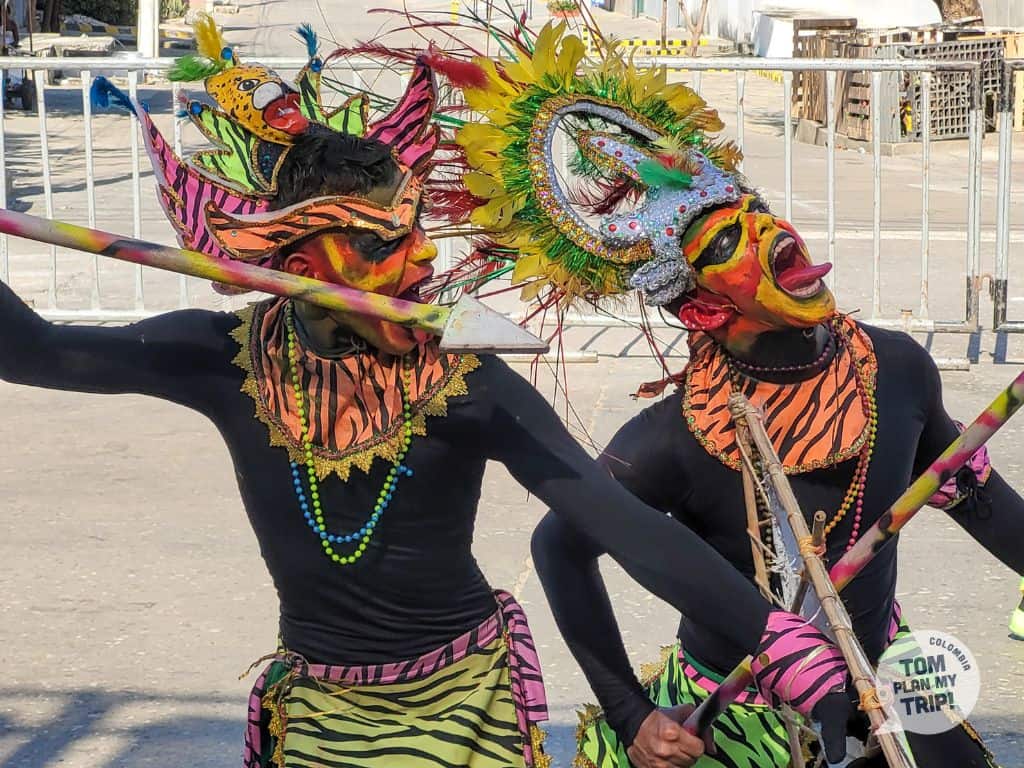
Depending on the year and the dates of Lent, the Barranquilla Carnival can spill over into the first days of March. It is the third largest carnival in the world after Rio and Venice!
Four days of intense celebration with spectacular parades, colorful costumes, cumbia and vallenato music on every corner. An unforgettable experience if you have the chance to be there.
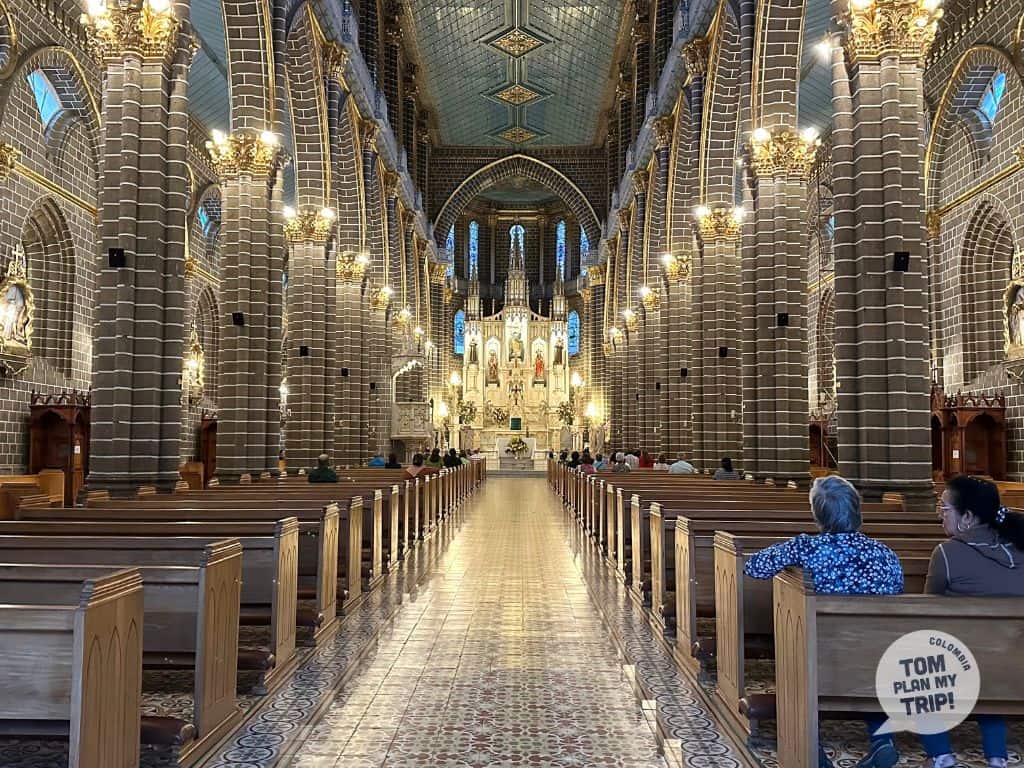
According to the calendar, Holy Week can fall in March or April. If it takes place in March, don’t miss the religious processions in Popayán, recognized among the most beautiful in the country and declared a cultural and intangible heritage of humanity by UNESCO.
Solemn parades, centuries-old traditions, a unique atmosphere. It’s also a week when many Colombians travel; plan your reservations in advance.
© Tomplanmytrip
Tourism in MARCH
The end of the high season with fewer people.
March marks the end of the high tourist season. The long school vacations are over and the prices of flights and hotels are starting to drop.
It’s a good time to get better rates than during December, January, and early February.
However, be cautious if Holy Week falls in March: during this week, prices may rise and you need to book in advance.
Tourist traffic decreases significantly in March. Popular destinations like Cartagena, the Rosario Islands, Tayrona Park, Salento, and the Cocora Valley are much less crowded.
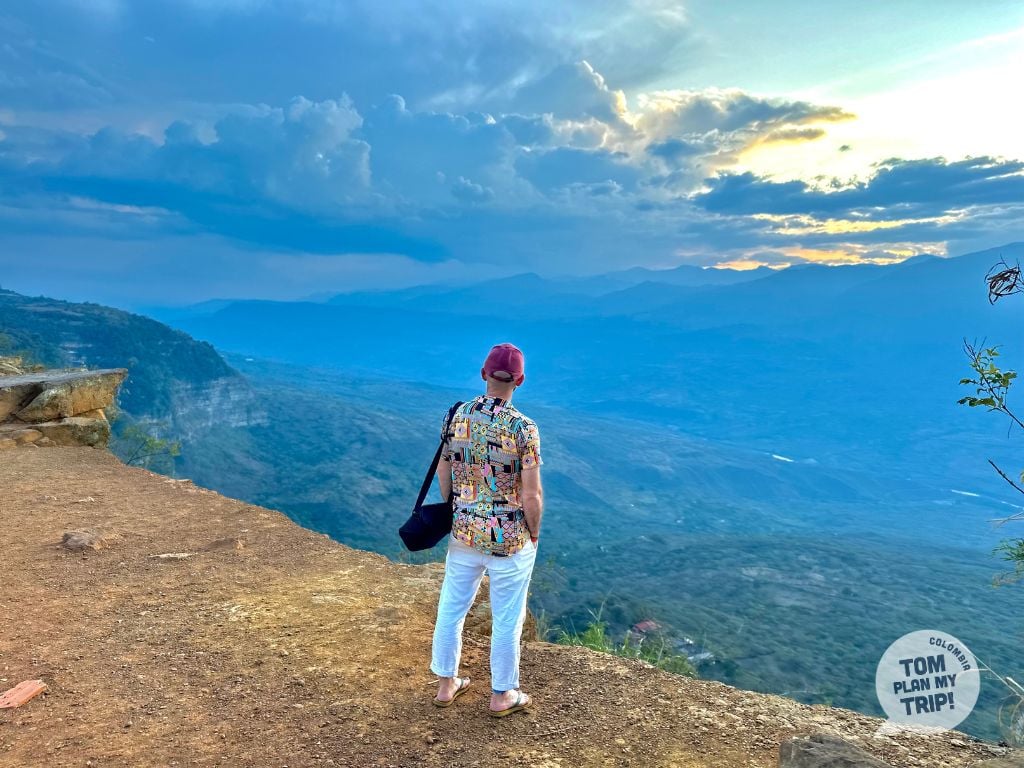
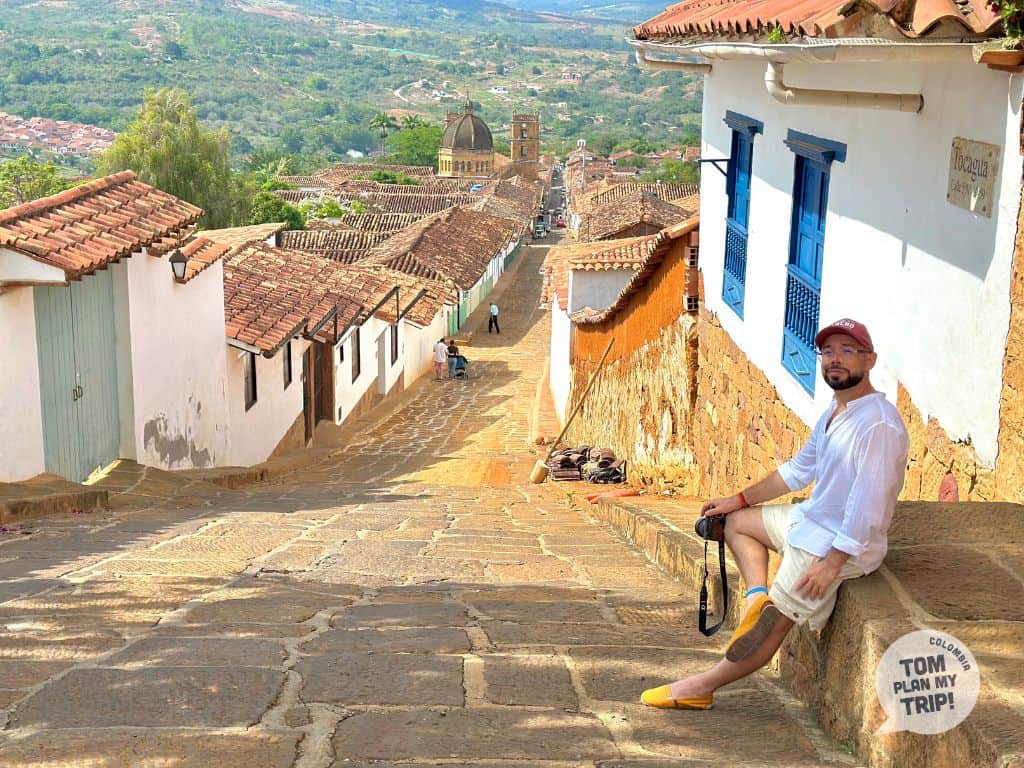
You can enjoy the sites more peacefully and avoid long lines. Colonial villages like Villa de Leyva, Barichara, or Santa Fe de Antioquia regain their peaceful atmosphere.
It’s the perfect time for those who want to discover Colombia without the crowd of the high season, while still enjoying favorable weather in much of the territory.
If you really want to avoid the crowds, skip Holy Week if it falls in March, as it’s a time when Colombians travel a lot.
© Tomplanmytrip
Packing for MARCH
Essentials according to your itinerary.
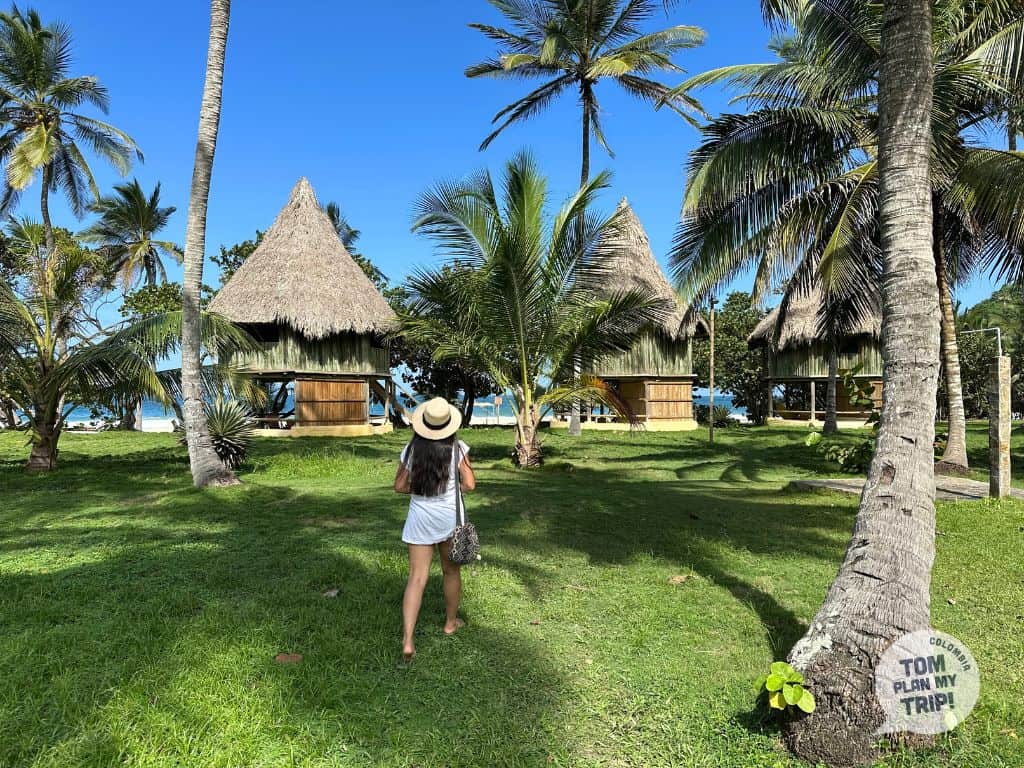
Don’t forget your hat and high protection sunscreen, especially if you’re going to the Caribbean coast where the sun is strong.
For the rains that are starting to arrive in some regions, like Bogotá, Medellín, or the coffee region, plan for a light raincoat. Showers can be sudden and intense.
Remember your camera and clothes suitable for the different climates you will encounter.
Lightweight clothing and breathable fabrics are essential to handle the heat and humidity. Favor cotton or technical fabrics that dry quickly.
Don’t forget your swimsuit, comfortable shoes, and your hat.
For the Pacific coast, add long and lightweight clothing to protect yourself from mosquitoes during forest hikes.
If you plan to hike in the Andes or visit páramos, bring warm clothing in layers. Temperatures can be cool, especially in the morning and evening.
Good walking shoes are essential. A raincoat is also indispensable as showers can occur quickly in the mountains.
A backpack suitable for your hiking days with something to protect your belongings from the rain.
If you plan to attend festivals or go out to trendy places, bring some dressier clothes. Colombians like to look good when they go out.
For music festivals like Estéreo Picnic, comfortable clothes and shoes suitable for dancing are perfect.
To visit cities like Bogotá, where temperatures are cooler, in addition to your rain gear, a vest or a sweatshirt will be useful for the evenings.
© Tomplanmytrip
MY TIPS FOR MARCH
To properly prepare for your trip to Colombia.
March is an excellent month to travel to Colombia; personally, it’s one of my favorite months.
The weather conditions are still very pleasant for exploring many regions (Caribbean Coast, coffee region, La Guajira) and the high tourist season ends, which allows you to enjoy more advantageous rates if you avoid Holy Week, in case it falls in March—unless you want to attend impressive processions like in Popayán.
If you plan to spend 7 days in Colombia, focus on a single region.
The Caribbean Coast: The colonial architecture of Cartagena, a getaway to the paradisiacal Rosario Islands, before exploring Tayrona Park and its fabulous landscapes and hidden beaches.
The Coffee Region: The cultural vibrancy of Bogotá, Salento, a pretty colonial village at the gateway to the Cocora Valley and its giant wax palms, with, for the brave, a hike in the unique landscape of a páramo.
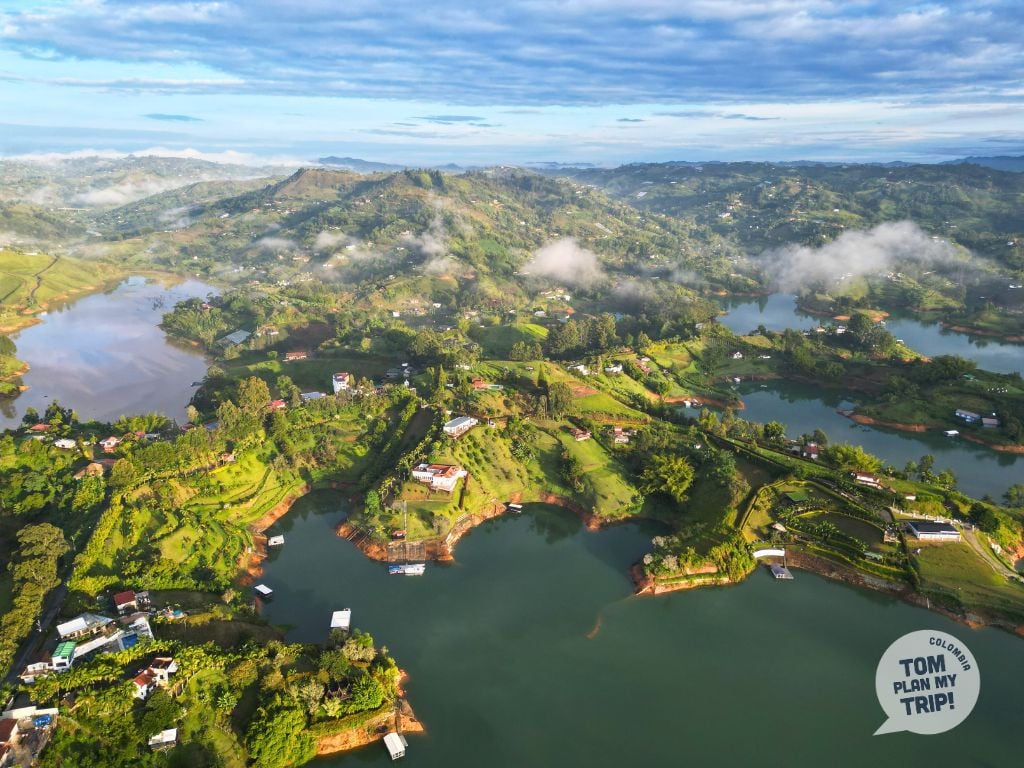
Antioquia: The dynamism of Medellín, with its colorful Comuna 13, a trip to Guatapé and its amazing Piedra del Peñón, as well as the peaceful life of a charming colonial village (Jericó, Jardín, or Santa Fe de Antioquía).
You can combine two regions, or even three at most:
Caribbean Coast: Cartagena and its colonial charm, the San Bernardo Islands for their crystal-clear waters, Tayrona Park and its paradisiacal beaches, La Ciénaga and its lake villages, then the Sierra Nevada and its indigenous communities.
Andean Region, Antioquia & Caribbean: From Bogotá and its museums to the giant palm trees of Cocora, then Medellín and Guatapé with its Piedra del Peñón, before the Caribbean coast: Cartagena, Tayrona Park, and Minca in the Sierra Nevada.
Caribbean and Andean Region: Cartagena and its colonial heritage, the beaches of Tayrona Park, the desert expanses of La Guajira, then the coffee region with its colonial villages and Los Nevados Park.
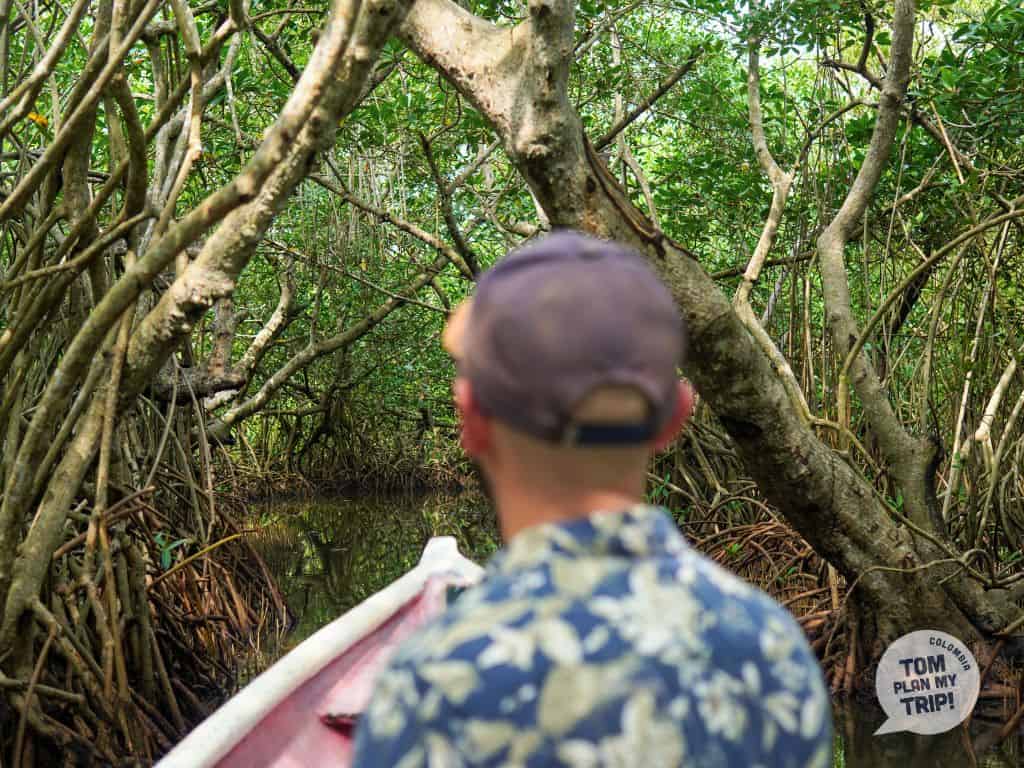
Gateways to the Amazon, Pacific & Coffee Region: The Cerros de Mavecure in the heart of the Amazon jungle, Medellín and its Antioquia department, and the Pacific coast.
© Tomplanmytrip
My favorite activities in Colombia
Contact the best local agencies directly to organize these experiences
La Guajira : Cabo de la Vela, Punta Gallinas & Macuira park 4d
Colombia
4 Days
1 place
Enjoy 4 days of adventure in the La Guajira desert, with a mix of classic and new destinations.
View this tour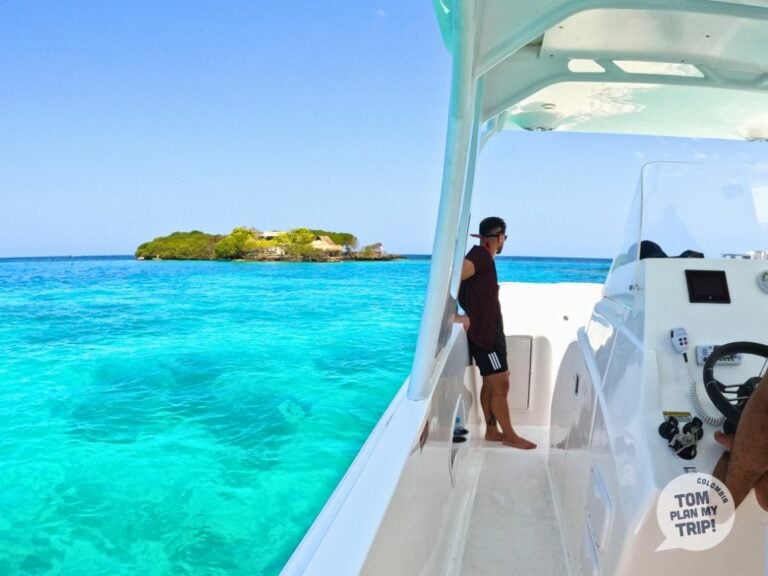
Cartagena: Rent a boat to explore the Rosario Islands 1d
Colombia
1 Day
3 places
A tailor-made boat trip to enjoy the Rosario Islands: Find the most stunning islands and either dodge the tourists or party with them.
View this tour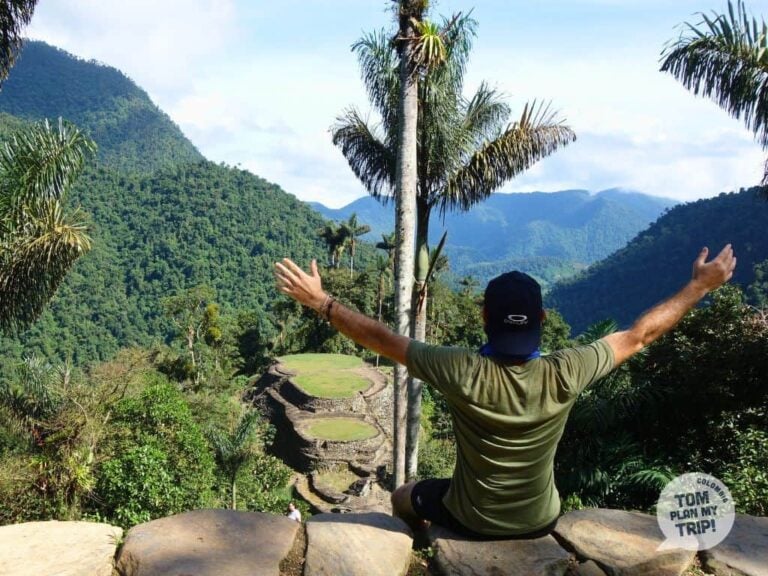
Santa Marta : The Lost City [Ciudad Perdida] trek 4d
Colombia
4 Days
1 place
Discover the magic of the Ciudad Perdida and its importance for the indigenous communities.
View this tour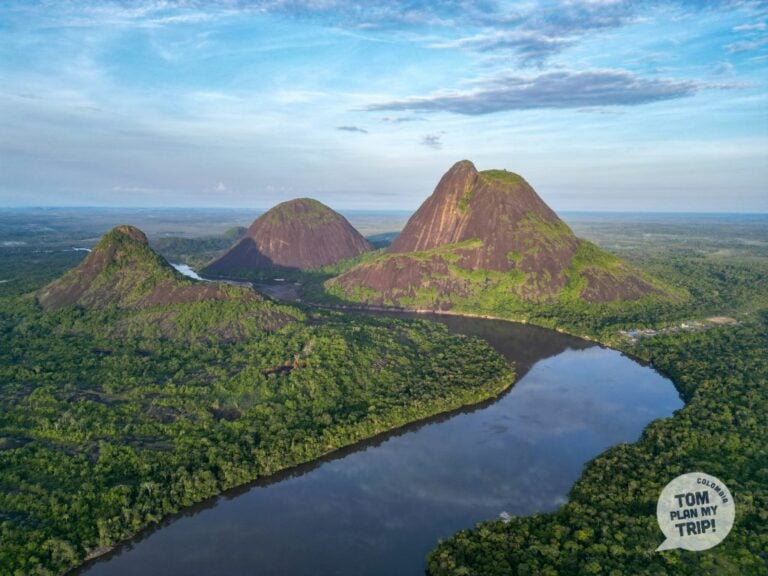
The Cerros de Mavecure and Its Unforgettable Landscapes 4d
Colombia
4 Days
2 places
Imagine three massive hills rising from the ground in the middle of a vast jungle plain.
View this tour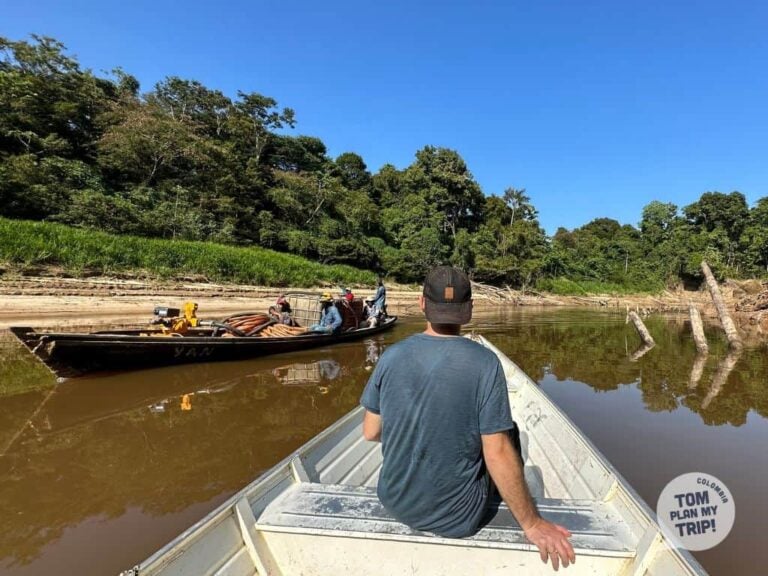
Leticia: the Amazon from a jungle ecolodge, comfort option 5d
Colombia
5 Days
1 place
Stay in the world's largest forest and discover its wonders and diversity.
View this tour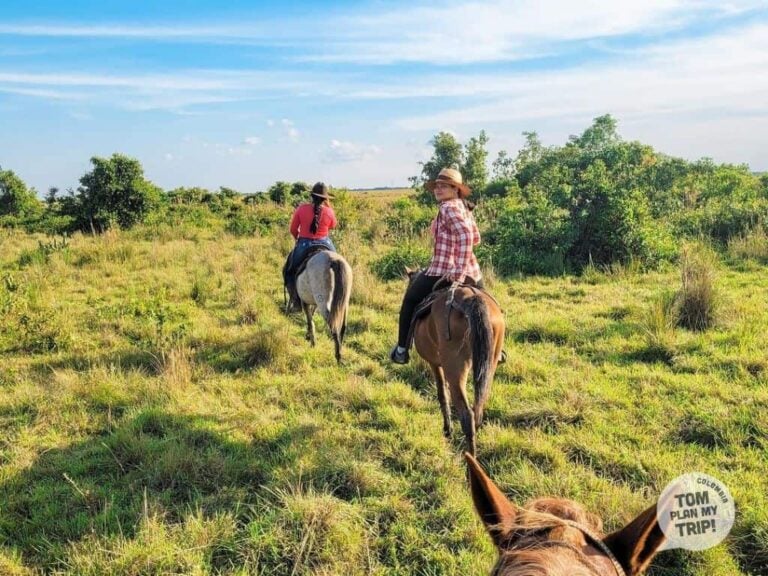
Yopal : Safari in los Llanos from a nature reserve 4d
Colombia
4 Days
3 places
Gallop at full speed across the vast plains of the Llanos, discovering an admirable natural habitat.
View this tour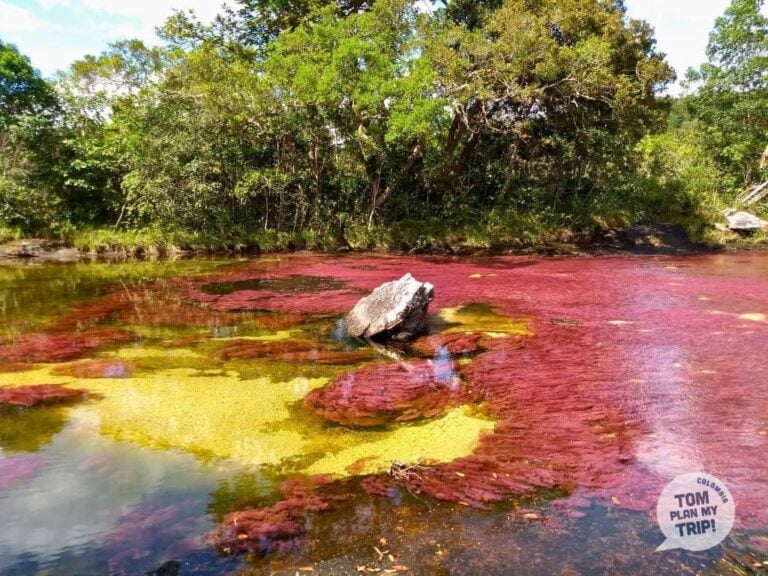
Caño Cristales: discover the famous rainbow river - group option 4d
Colombia
4 Days
1 place
Imagine the spectacle of a multicolored river winding through unique landscapes.
View this tour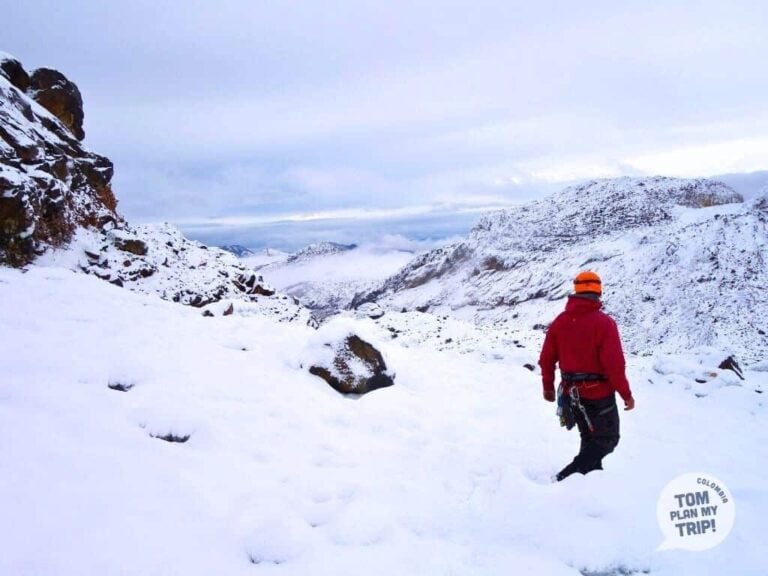
Los Nevados: Santa Isabel glacier ascent 3D
Colombia
3 Days
1 place
The perfect combo of high and medium-altitude mountains plus the discovery of numerous ecosystems.
View this tour
See more activities?
We test and select the best activities in Colombia especially for our readers.
Your local travel agency in Colombia
Want to discover the best of Colombia without rushing around or overcomplicating things?
We’ve spent 11 years solving the perfect trip equation: maximize jaw-dropping experiences, eliminate unnecessary transfers, and avoid tourist hordes.
The result? The Colombia we fell in love with—not the cookie-cutter routes designed for everyone else—savored at a pace that lets you fully live each moment. No more superficial, exhausting trips.
When to Visit Colombia
Select a Region of Colombia



Western Caribbean Coast
Follow us on Instagram!

We help travelers fall in love with Colombia since 2015.
Tom & Adrien
Feel free to use our forms and services to improve your trip.
I know there are tons of resources online, and everyone loves to share their opinion — it can get pretty confusing, and might even make you doubt your choices.
The easiest solution? Trust us. And if you’re unsure, just check out our reviews on Google.
Our secret to actually enjoying your Colombia vacation
Colombia is twice the size of France. There’s no point trying to see it all in 15 days. Our trips distill 11 years of boots-on-the-ground exploration into the essentials: the very best of the country, without the stress of racing around.